Restaurant Marketing Las Vegas: How Local Restaurants Get More Customers
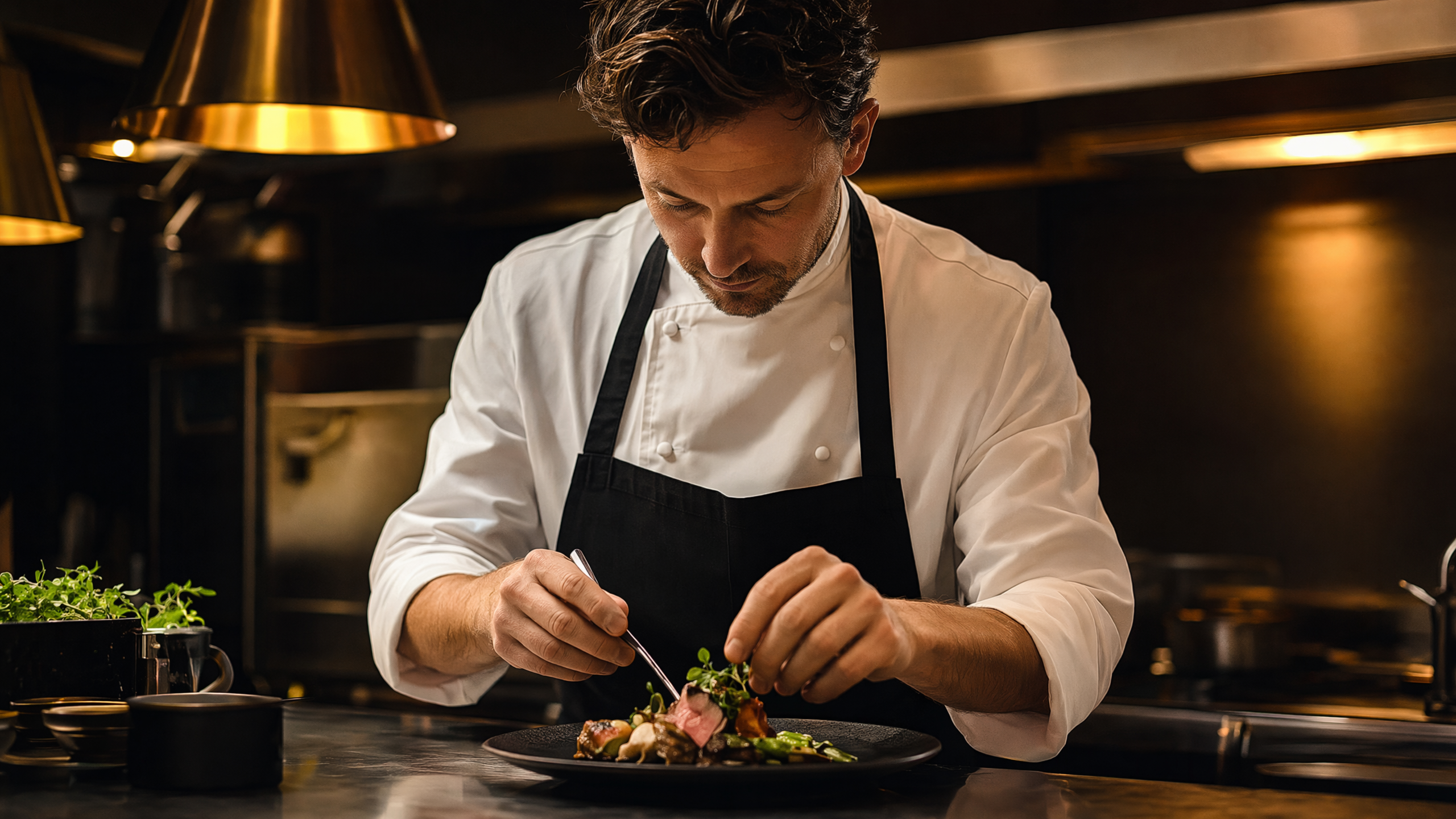
Las Vegas has one of the most competitive restaurant markets in the world. The Strip is dominated by celebrity chef concepts and hotel dining rooms with massive marketing budgets. But off the Strip, in the neighborhoods where locals eat — Summerlin, Henderson, Green Valley, the Arts District — local restaurants compete on a more level playing field, and digital marketing is the great equalizer.
The local restaurants that consistently attract customers in Las Vegas share a few things in common: they show up prominently in Google Maps when someone searches for food nearby, they have a website that makes ordering or reservations easy, and they have a strong review profile that makes a first-time visitor feel confident choosing them.
The Las Vegas Restaurant Market: Local vs. Tourist
Las Vegas restaurant marketing has two distinct audiences:
Tourists are searching for dining experiences — "best restaurants near the Strip," "celebrity chef restaurants Las Vegas," "romantic dinner Las Vegas." This audience is high-value but competitive, dominated by hotel dining programs and well-funded marketing.
Locals are searching for neighborhood dining — "best Mexican restaurant Summerlin," "sushi near me Henderson," "pizza delivery 89014." This audience is more accessible for independent restaurants and represents the foundation of sustainable revenue.
Most local restaurants should focus primarily on the local audience. Tourists are a bonus, not a strategy.
Google Business Profile: Your Most Important Marketing Asset
For a local restaurant, Google Business Profile (GBP) is the single most important digital marketing asset. When someone searches for food near them on Google or Google Maps, your GBP is what they see — your photos, your reviews, your hours, your menu, and your ability to order or make a reservation.
A complete, well-maintained GBP includes:
High-quality food photos. Restaurants with professional or high-quality food photos in their GBP get significantly more clicks than those with no photos or low-quality images. Photos should be updated regularly — Google rewards active profiles.
Accurate hours and holiday hours. Nothing damages a restaurant's reputation faster than a customer who shows up based on Google hours and finds the restaurant closed. Hours should be updated for every holiday and special closure.
Menu integration. Google allows restaurants to add their menu directly to their GBP. A complete, accurate menu helps customers decide before they arrive and reduces the friction of choosing your restaurant.
Review response. Responding to every review — positive and negative — signals to Google that the business is active and engaged, and signals to potential customers that you care about their experience. A thoughtful response to a negative review often converts a skeptical reader into a customer.
Regular posts. GBP posts (specials, events, new menu items) keep your profile active and give Google fresh content to index. Restaurants that post weekly outperform those that don't in local search visibility.
SEO for Restaurants: Ranking for Local Food Searches
Local SEO for restaurants focuses on ranking in Google Maps and organic search for neighborhood-specific food searches. The highest-value targets:
| Search Type | Examples |
|---|---|
| Cuisine + location | "Mexican restaurant Summerlin," "Italian restaurant Henderson NV" |
| Dish-specific | "best tacos Las Vegas," "ramen near me Las Vegas" |
| Occasion | "romantic restaurant Las Vegas locals," "birthday dinner Henderson" |
| Delivery | "pizza delivery 89014," "Chinese food delivery near me" |
Content marketing for restaurants is different from other industries — it's less about blog posts and more about rich, keyword-optimized descriptions of your dishes, your story, and your neighborhood. A restaurant with a well-written "About" page, detailed menu descriptions, and neighborhood-specific content ranks better than one with thin, generic copy.
Google Ads and Paid Search for Restaurants
For restaurants targeting high-intent searches — "best tacos near me," "happy hour Henderson," "brunch Las Vegas" — Google Ads can drive immediate traffic while your organic rankings build. Restaurant campaigns work best with location targeting set tight (3–5 mile radius) and ad scheduling aligned to your peak hours.
Social Media: Instagram and Facebook for Restaurants
Social media is more important for restaurants than for most other local businesses because food is inherently visual and shareable. Instagram and Facebook are where locals discover new restaurants, share their experiences, and decide whether to try somewhere new.
What works for restaurant social media:
Consistent, high-quality food photography. A smartphone with good lighting and a clean background is sufficient. Post 3–5 times per week, focusing on your best-looking dishes, behind-the-scenes kitchen content, and special events.
User-generated content. Encourage customers to tag you in their photos. Reposting customer photos (with credit) provides social proof and reduces your content creation burden.
Local hashtags. Hashtags like #LasVegasEats, #SummerlinFood, #HendersonRestaurants, and cuisine-specific tags help locals discover your restaurant.
Facebook events. If you host trivia nights, live music, wine dinners, or other events, Facebook Events is one of the most effective free marketing tools available. Events appear in local search results and can be shared by attendees.
Online Ordering and Delivery
Online ordering has become table stakes for most restaurants. Customers expect to be able to order directly from your website or through a delivery platform. The key considerations:
Direct ordering vs. third-party platforms. DoorDash, Uber Eats, and Grubhub charge 15–30% commission on every order. Direct ordering through your own website (using platforms like Toast, Square, or ChowNow) eliminates those fees. Promoting direct ordering to your regular customers is worth the effort.
Accurate delivery radius and hours. Third-party platform listings should have accurate delivery radius, hours, and menu pricing. Errors here lead to negative reviews and lost orders.
Reputation Management: Reviews Are Your Marketing
For a local restaurant, online reviews are the most powerful marketing tool available. A restaurant with 200+ Google reviews and a 4.5+ rating attracts customers who have never heard of it before. A restaurant with 20 reviews and a 3.8 rating loses customers to competitors before they ever walk in the door.
Review generation strategy for restaurants:
- Ask satisfied customers directly — "If you enjoyed your meal, we'd really appreciate a Google review"
- Include a QR code on receipts or table cards linking to your Google review page
- Respond to every review within 24 hours
- Address negative reviews professionally and offer to make it right
The Search Source has worked with local restaurants since 2009. We help local restaurants build the digital presence that drives consistent foot traffic and orders. Learn more about our restaurant marketing services or request a free evaluation.
Related Resources
Keep Building Your Local Visibility
Explore the service and guides most relevant to the topic you just read.