Blog / Industry News
Water Damage Restoration: Winning the Race to Be First on Google
By Danny Blea, Founder, The Search Source · 6 min read
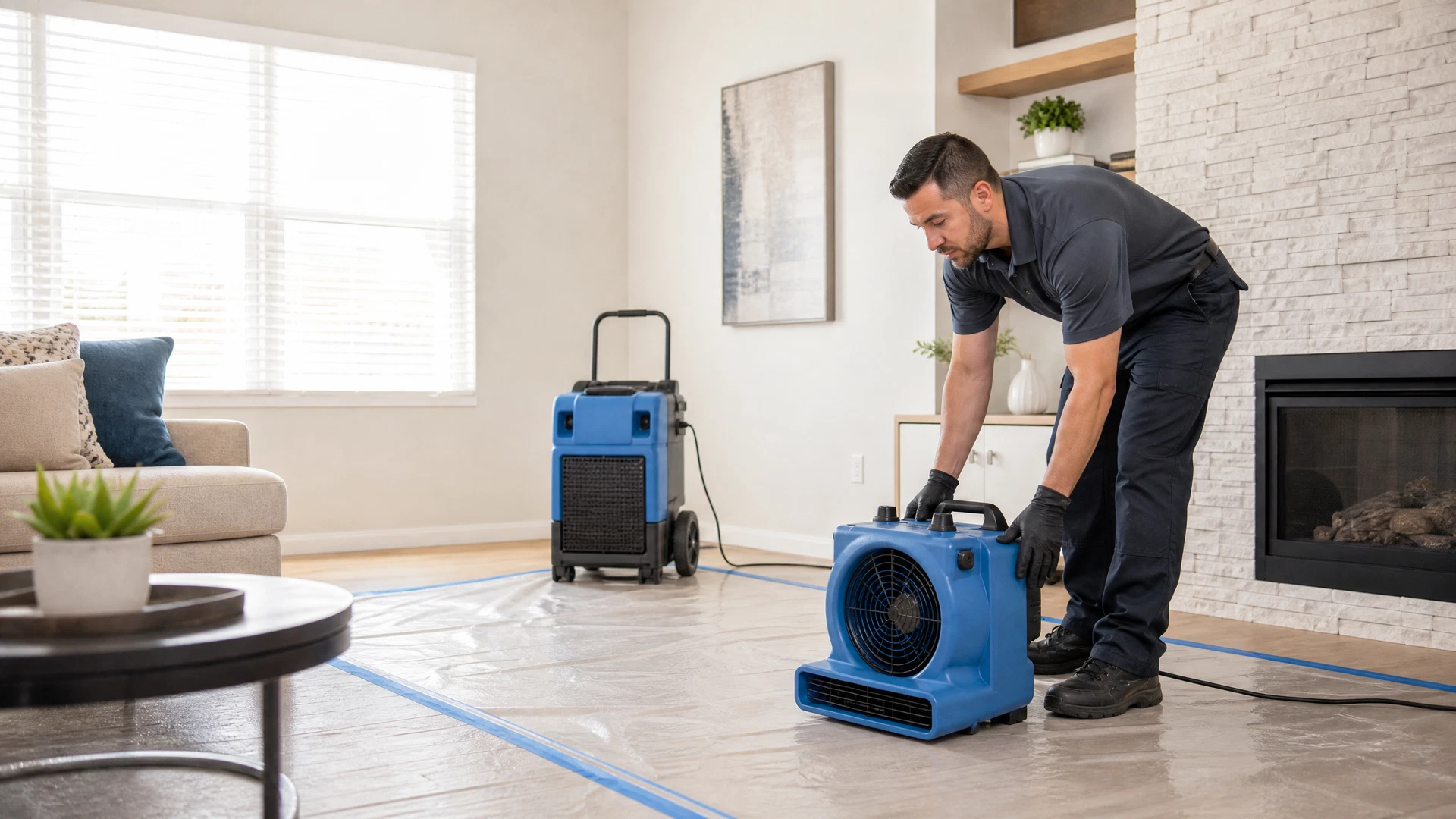
When a pipe bursts at 2:00 AM in Las Vegas, homeowners do not browse; they dial the first visible emergency restorer on Google. Winning this race requires an SEO strategy engineered for immediate mobile discovery, tap-to-call friction reduction, precise service-area clarity, and verified trust signals that convert urgent searches into immediate dispatched trucks.
The High-Stakes Nature of Emergency Restoration Search
In the restoration industry, digital marketing is fundamentally different from standard e-commerce or lead generation. When water is actively cascading through drywall or soaking luxury hardwood flooring in a Summerlin residence, the decision window lasts less than sixty seconds. Property owners experiencing catastrophic property damage are operating under extreme stress, panic, and urgency. They will rarely scroll past the top three map pack listings or the primary organic results on page one.
For restoration contractors operating in competitive metropolitan markets like Clark County, capturing top search visibility is not merely about brand awareness; it is about capturing emergency demand at the exact moment of crisis. To build a sustainable pipeline of high-value emergency restoration jobs, contractors must look closely at proven frameworks for water damage restoration marketing that align technical search engine optimization with consumer psychology under duress.
The Anatomy of Emergency Search Intent
Understanding emergency search intent requires recognizing that keywords in this vertical carry high commercial intent and immediate urgency. Queries such as "emergency water extraction near me," "burst pipe cleanup Las Vegas," or "flood damage restoration company" indicate that the user has already identified a problem and is looking for an immediate solution.
Unlike informational queries where users seek DIY advice, emergency restoration queries demand immediate action. Your digital presence must reflect this reality. Search engines reward websites that load instantly, provide crystal-clear contact information above the fold, and demonstrate immediate relevance to the user's precise geographic coordinates. If your website forces a panicked homeowner to navigate a complex menu or search for a phone number, you have already lost the job to a competitor whose mobile experience is optimized for speed and clarity.
Engineering Immediate Call Paths and Mobile Friction Reduction
The primary conversion mechanism for water damage restoration is the telephone call. Every millisecond of friction introduced between a user landing on your mobile site and dialing your dispatch line results in catastrophic conversion drop-off.
To win the race for emergency calls, your mobile web design must incorporate specific technical and structural elements:
- Sticky Click-to-Call Headers: A prominent phone number must remain fixed at the top of the mobile viewport across every page of the website, allowing users to initiate a call with a single thumb tap.
- Lightning-Fast Page Speeds: Emergency searches are frequently conducted on mobile devices over cellular data connections. Compressing images, minimizing JavaScript, and leveraging modern caching ensure your site renders in under two seconds.
- Simplified Navigation: Mobile menus should feature direct pathways to emergency extraction, sewage cleanup, structural drying, and mold remediation without forcing users through lengthy corporate history pages.
While home service industries share common mobile optimization principles—as we frequently examine when analyzing plumber marketing in Las Vegas—restoration contractors face even tighter conversion windows due to the catastrophic financial and structural risks of delayed water mitigation.
Dominating Las Vegas Geographies and Service-Area Boundaries
Las Vegas is a sprawling metropolitan area encompassing distinct communities, each with unique property characteristics, from high-rise condominiums on the Strip to sprawling single-family homes in Henderson, Green Valley, and North Las Vegas. Achieving top organic visibility requires meticulous geographic targeting and location-based authority.
Search engines evaluate your physical proximity and relevance to the user. Consequently, relying solely on a generic homepage targeting "Las Vegas" is insufficient for capturing high-value suburban traffic. Successful digital strategies utilize dedicated service-area landing pages that speak directly to local infrastructure challenges, such as aging polybutylene plumbing in older neighborhoods, monsoon flash-flooding impacts, or high-density HOA regulations.
Crucially, these pages must maintain strict adherence to search engine guidelines regarding physical locations. Attempting to manipulate local rankings through unverified P.O. boxes or virtual offices invites algorithmic penalties. Instead, authentic geographic authority is established through localized case studies, community-specific metadata, and verified Google Business Profile optimization that accurately reflects your licensed operational footprint.
Navigating Insurance-Related Informational Content Without Advice Pitfalls
Property owners facing water damage invariably search for insurance answers alongside restoration services. Queries such as "does homeowners insurance cover broken pipes" or "how to file a water damage claim" generate massive search volume. Capturing this traffic is vital for building top-of-funnel authority, but it requires careful navigation to avoid regulatory violations.
As a restoration contractor, you are an expert in mitigation, extraction, and structural drying—not an insurance adjuster or licensed legal counsel. Your educational content must focus strictly on procedural transparency and documentation standards rather than offering legal interpretations or claims advice. Articles addressing insurance should clearly explain:
- How professional restoration contractors document moisture levels, thermal imaging, and photographic evidence for carrier review.
- The standard steps involved in communicating scope of work directly with insurance adjusters.
- Why prompt mitigation is required by standard insurance policies to prevent secondary damage like microbial growth.
By providing clear, factual, and compliant educational resources, you position your brand as a trusted advisor while keeping homeowners informed of their responsibilities during property recovery.
Establishing Unshakeable Trust Signals and Authority
In an emergency, consumers are inherently vulnerable to predatory contractors or unlicensed operators looking to capitalize on property crises. To establish immediate credibility, your digital presence must project undeniable authority and trustworthiness before the homeowner ever makes the phone call.
Key trust signals that must be prominently integrated across your website include:
- Licensing and Credentials: Clearly displaying your Nevada State Contractors Board license numbers, insurance bonding, and industry certifications such as the Institute of Inspection Cleaning and Restoration Certification (IICRC).
- Transparent Processes: Detailing your step-by-step restoration workflow—from initial inspection and water extraction to sanitization and final reconstruction—so clients know exactly what to expect.
- Professional Affiliations: Showcasing memberships in trade associations and verified industry networks that reinforce your commitment to ethical business practices.
The necessity for rigorous trust-building is not unique to water damage; similar dynamics govern other technical home service sectors, as highlighted in our research on digital marketing for HVAC companies, where consumer safety and technical competence dictate conversion success.
Frequently Asked Questions
How fast must a water damage restoration website load to capture emergency traffic?
Emergency mobile searches demand sub-two-second load times. When a homeowner is facing active flooding, any delay in page rendering or call button availability directly increases bounce rates and hands leads to competitors.
Why are dedicated service-area pages important for Las Vegas restoration companies?
Las Vegas spans diverse municipalities—from Summerlin and Henderson to North Las Vegas. Dedicated service-area pages help search engines match your local relevance to user searches across specific neighborhoods while addressing regional property types.
Can restoration contractors provide insurance claims advice on their websites?
No. Contractors should focus their content on documentation standards, mitigation procedures, and carrier communication protocols, avoiding legal or claims adjustment advice to maintain regulatory compliance.
What is the most critical conversion element on a restoration website?
A sticky, click-to-call phone number paired with frictionless mobile navigation is the single most important element, as the vast majority of emergency restoration customers prefer immediate telephone communication.
Conclusion
Winning the race to be first on Google for water damage restoration in Las Vegas requires an uncompromising focus on speed, mobile optimization, geographic precision, and trust. By aligning your digital infrastructure with the urgent mindset of property owners in crisis, you secure sustainable emergency lead generation. Ready to accelerate your digital growth and dominate local search results? Get in touch with our team today through our contact page or get started to elevate your restoration marketing strategy.