Blog / Industry News
Dermatologist Marketing: Beyond Insurance Referrals
By Danny Blea, Founder, The Search Source · 7 min read
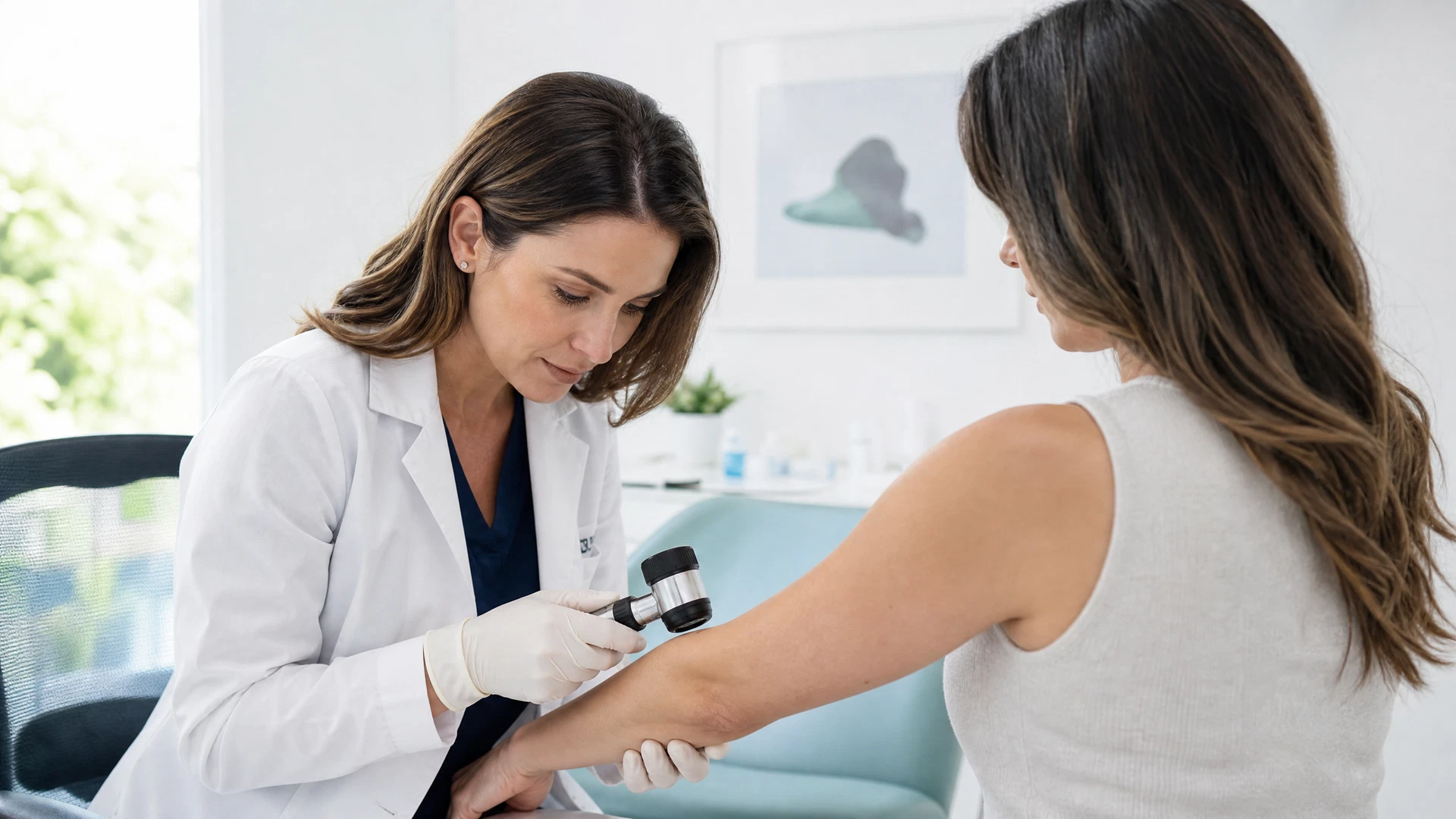
In our view, effective dermatology marketing in Las Vegas must balance traditional insurance and referral networks with robust digital discoverability for self-pay aesthetic services, localized SEO, and clear patient consultation pathways. For years, many dermatology clinics relied almost exclusively on primary care physician referrals and insurance panel listings to keep appointment schedules full. However, as patient expectations shift and competition across the Las Vegas valley intensifies, depending solely on insurance-driven volume can leave practices vulnerable to lower reimbursements, long administrative delays, and restricted growth. Modern dermatology practices need a diversified acquisition framework that honors medical care while actively capturing patients seeking specialized and cosmetic treatments.
The Evolution of Patient Acquisition in Dermatology
The traditional model of practice growth in dermatology was built on relationship-building with local general practitioners and pediatricians. While referral networks remain a cornerstone of clinical dermatology—especially for complex pathologies, surgical excisions, and chronic skin conditions—they represent only one segment of the modern healthcare consumer base. Today’s patients actively research skin conditions, aesthetic procedures, and preventative care online long before scheduling an appointment.
In a dynamic metropolitan market like Las Vegas, patients expect instant access to information, transparent service offerings, and seamless booking options. When clinics rely purely on insurance networks, they often miss out on high-intent consumers who are willing to invest directly in specialized skincare, laser treatments, and anti-aging services. By implementing a comprehensive dermatologist marketing strategy, practices can establish authority across both medical and cosmetic verticals without compromising clinical integrity.
Balancing Insurance Workflows and Aesthetic Discoverability
One of the greatest operational challenges for growing dermatology clinics is messaging balance. How do you maintain trust with medical patients who require insurance verification while simultaneously attracting self-pay aesthetic clients? The answer lies in clear digital segmentation and website architecture.
Medical dermatology pages should focus on patient education, insurance acceptance transparency, and condition-specific guidance. Conversely, aesthetic service pages should emphasize provider expertise, technology capabilities, consultation transparency, and aesthetic outcomes. This duality ensures that every visitor—whether they are seeking acne management covered by insurance or rejuvenating laser treatments—finds an immediate, tailored pathway to care.
Furthermore, clinics that expand into aesthetic offerings often encounter strategic overlaps with neighboring specialties. Practices looking to scale their elective procedures can draw valuable operational lessons from marketing for plastic surgeons, particularly regarding high-value consultation funnels, premium branding, and patient education around elective treatments. Similarly, understanding consumer behavior in neighboring sectors helps clinics refine their positioning, mirroring successful strategies seen in medspa marketing in Las Vegas while maintaining strict adherence to dermatological medical standards.
Establishing Local Trust and Authority in Las Vegas
Local search engine optimization is vital for dermatology practices operating in Las Vegas. Patients seeking skin cancer screenings, eczema management, or cosmetic consultations typically look for providers located near their neighborhoods, whether that is Summerlin, Henderson, Green Valley, or the Southwest valley.
Building local trust requires more than simply ranking for competitive keywords. It demands an authentic digital footprint that highlights board certification, academic backgrounds, ongoing clinical education, and community involvement. Practices must optimize their Google Business Profiles, maintain consistent NAP (Name, Address, Phone) data, and encourage satisfied patients to leave detailed reviews regarding their office experience, staff courtesy, and consultation clarity.
Content Marketing as a Trust Anchor
Educational content serves as the backbone of sustainable patient trust. When prospective patients read thoroughly researched, easy-to-understand articles addressing common skin concerns—such as sun protection in the Nevada desert, rosacea triggers, or early signs of skin cancer—they perceive the clinic as an authoritative medical authority rather than a transactional storefront.
Our agency works closely with dermatology practices to build content libraries that answer real patient questions. By addressing topics that matter to local residents—such as managing dry desert skin or mitigating UV damage—clinics naturally improve their search engine visibility while establishing rapport before the patient even steps foot in the waiting room.
Designing Seamless Consultation Paths
Attracting traffic to a dermatology website is only the first step; converting that traffic into booked appointments requires a frictionless user journey. Many practices lose prospective patients due to cumbersome contact forms, confusing navigation menus, or a lack of clear calls to action.
To maximize consultation conversions, websites should feature prominent, easy-to-find scheduling options, transparent policies regarding insurance and consultation fees, and clear explanations of what to expect during a first visit. For medical appointments, providing downloadable patient intake forms ahead of time streamlines the front-desk workflow. For aesthetic consultations, offering virtual consultation requests or dedicated aesthetic coordinator contacts helps bridge the gap between initial curiosity and committed booking.
Optimizing the Mobile Experience
A significant majority of patients research healthcare providers and aesthetic treatments on their smartphones. If a dermatology website features slow loading speeds, unoptimized images, or difficult-to-tap menus, prospective patients will abandon the site in favor of a competitor. Ensuring a responsive, lightning-fast mobile experience is an absolute prerequisite for modern healthcare marketing success.
Turning Local Interest Into an Appropriate Next Step
Visibility only helps when the next step is clear and appropriate for the service a patient is researching. A patient seeking a medical appointment may need insurance and new-patient information before requesting a visit, while someone researching an elective consultation may need to understand the consultation process and the practice’s areas of focus. We structure calls to action around those real questions instead of forcing every visitor into the same generic form. That approach also gives the front desk clearer context when an inquiry arrives.
Reputation belongs in that experience as well. A consistent, compliant process for requesting feedback after an appropriate patient interaction helps a practice understand where its service experience is strong and where it needs attention. Our guide to getting more Google reviews the right way explains how to build that workflow without review gating, incentives, or pressure. The objective is not to manufacture praise; it is to make it easy for patients who want to share a genuine experience to do so.
Frequently Asked Questions
Why should a dermatology practice look beyond insurance referrals?
Depending entirely on insurance referrals limits a practice's growth potential and exposes it to shifting reimbursement rates and administrative burdens. Expanding into self-pay aesthetic services and direct-to-consumer digital channels diversifies revenue streams and captures high-intent local patients.
How can a clinic market both medical and cosmetic dermatology without confusing patients?
Clinics can successfully balance both by segmenting their website architecture. Medical dermatology pages should focus on insurance transparency, clinical expertise, and health education, while aesthetic pages highlight specialized treatments, advanced technology, and personalized rejuvenation pathways.
What role does local SEO play for Las Vegas dermatology clinics?
Local SEO ensures that your practice appears when patients search for skin care providers in specific Las Vegas neighborhoods like Summerlin or Henderson. Optimizing local citations, Google Business Profiles, and localized content drives high-intent traffic directly to your practice.
How do we handle patient privacy and medical compliance in marketing?
All marketing materials must strictly adhere to HIPAA guidelines and medical advertising ethics. This means avoiding exaggerated results claims, protecting patient confidentiality, focusing on educational transparency, and refraining from offering specific medical diagnoses online.
What is the first step in upgrading a dermatology marketing strategy?
The foundational step is conducting a comprehensive digital audit of your current website, local search visibility, and patient intake pathways. Identifying bottlenecks in the user journey allows your team to prioritize high-impact improvements across SEO, content, and conversion optimization.
Conclusion
Navigating the transition from traditional referral dependency to a balanced, digitally empowered marketing model is essential for modern dermatology practices. By combining robust local search strategies, clear educational content, and distinct pathways for medical and aesthetic services, Las Vegas clinics can build a more durable patient-acquisition system and stronger community trust.
If you are ready to elevate your practice's digital presence and attract qualified patients across the Las Vegas valley, we invite you to reach out to our team. Contact us today or get started with a comprehensive marketing audit tailored to your practice goals.